
Fatimah al-Zahra (peace be upon her) holds a distinguished position in Islamic tradition. According to numerous narrations cited by Shi’a and Sunni scholars, she was deeply loved and honored by Prophet Muhammad (peace and blessings be upon him and his family). Her devotion, knowledge, generosity, spiritual qualities, and close relationship with the Prophet have made her one of the most revered women in Islam.
Her status is reflected not only in reports about the Prophet’s love for her but also in accounts concerning the Ahl al-Bayt, the event of Mubahalah, the continuation of the Prophet’s lineage through her, and her lasting spiritual legacy.
Fatimah’s Place in the Qur’an and Prophetic Tradition
The Verse of Mawdah (Qur’an 42:23) is commonly discussed by Shi’a and Sunni scholars in connection with love for the Prophet’s close family. The verse speaks of love for the Prophet’s near relatives as the reward for his mission, and various commentators have identified the Ahl al-Bayt in this context as Fatimah, Imam Ali, Imam Hasan, and Imam Husayn (peace be upon them).
Prophetic traditions also emphasize the special status of Fatimah. One of the most famous is known as the Hadith of the Piece, in which the Prophet described Fatimah as a part of himself and stated that whoever causes her harm causes him harm.
Traditional reports further state that when the Prophet traveled, Fatimah was among the last people from whom he took leave, and when he returned, she was among the first people he visited.
The Leader of the Women
Numerous narrations reported in both Shi’a and Sunni sources describe Fatimah as among the greatest women of humanity.
She is described in these traditions as the leader of the women of Paradise, the leader of the women of the worlds, and among the most virtuous women of the Muslim community.
These descriptions reflect the exceptional spiritual position that Fatimah holds in Islamic tradition and the profound respect given to her by generations of Muslims.
Fatimah and the Event of Mubahalah
One of the most significant events associated with Fatimah is the Mubahalah, involving Prophet Muhammad and the Christians of Najran.
According to traditional Qur’anic, historical, and hadith sources, Fatimah was the only woman chosen to accompany the Prophet during this event. Imam Ali, Imam Hasan, Imam Husayn, and Fatimah (peace be upon them) accompanied the Prophet.
The event is associated with Qur’an 3:61, known as the Verse of Mubahalah, and is regarded in Shi’a scholarship as an important indication of the elevated status of the Prophet’s Ahl al-Bayt.
The Continuation of the Prophet’s Lineage
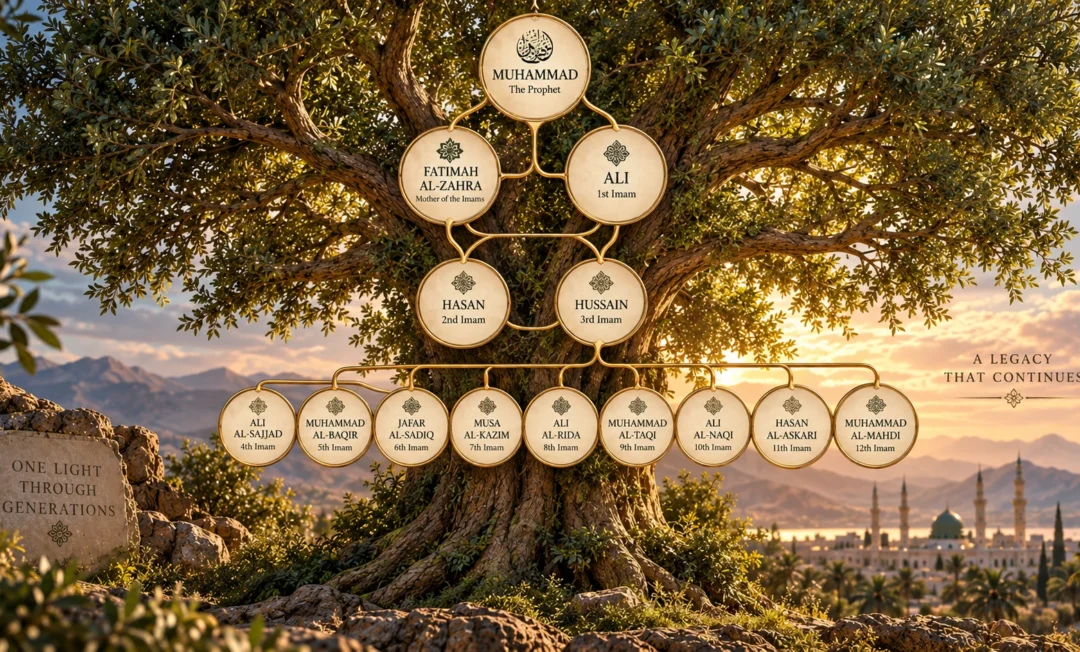
Another important distinction of Fatimah al-Zahra is that the lineage of Prophet Muhammad continued through her.
Fatimah was the wife of Imam Ali (peace be upon him) and the mother of Imam Hasan and Imam Husayn (peace be upon them). According to Shi’a tradition, the Imams who followed them were descendants of Fatimah.
Some commentators have also connected the abundant good mentioned in Surah al-Kawthar with Fatimah and the continuation of the Prophet’s descendants through her.
Thus, Fatimah’s role in Islamic history extends beyond her own lifetime. Her descendants became an important part of the religious and spiritual heritage of the Prophet’s family.
Fatimah’s Generosity
Generosity was one of the most remarkable qualities attributed to Fatimah al-Zahra (peace be upon her).
Although she lived a simple life with Imam Ali (peace be upon him), she was always willing to give what she had to those in need. One of the most well-known accounts describes how, on the night of her wedding, Fatimah gave away her new wedding dress to a needy person and wore another dress instead. This act demonstrated her willingness to place the needs of others above her own comfort and possessions.
Other traditional reports describe Fatimah giving her necklace to a poor person and sharing her food with those in need.
One famous account states that Fatimah, Imam Ali, Imam Hasan, and Imam Husayn gave their food to a poor person, an orphan, and a captive on three consecutive evenings instead of eating it themselves. This account is traditionally associated with the Verses of Feeding in Qur’an 76:8–9, which praise those who give food to others for the sake of Allah.
This version is better because it clearly says “on the night of her wedding” and that she gave away her new wedding dress and wore another dress, rather than making it sound as though she simply donated an old or extra garment.
A Life of Simplicity and Asceticism
Fatimah’s life was also characterized by simplicity and zuhd, or detachment from worldly excess.
Traditional accounts describe her dowry and household possessions as modest and limited to the basic necessities of married life. Her simple lifestyle reflected a broader spiritual principle: worldly possessions should serve human needs rather than become the purpose of life.
Her example has therefore been remembered as a model of contentment, humility, and devotion to Allah.
Fatimah as al-Muhaddathah
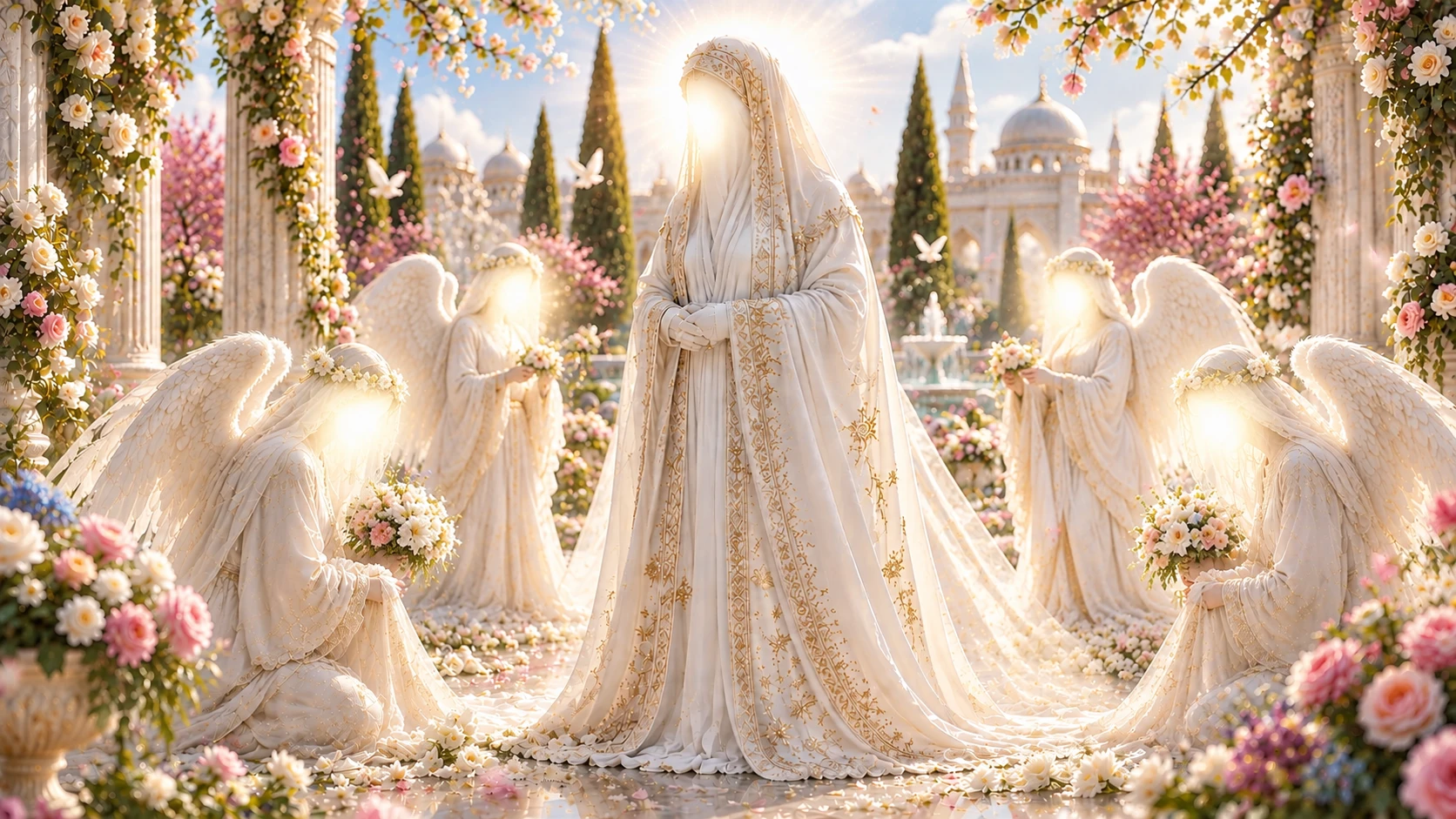
Among the titles associated with Fatimah is al-Muhaddathah, referring to the traditional account that angels communicated with her.
According to Shi’a narrations, after the death of Prophet Muhammad, an angel brought messages to Fatimah that provided comfort and informed her about matters concerning the future of the Prophet’s descendants.
These reports state that Imam Ali recorded what Fatimah heard, and this collection became known in Shi’a tradition as the Mushaf of Fatimah.
According to Shi’a belief, the Mushaf of Fatimah was passed from one Imam to the next and is now regarded as being in the possession of the final Imam, Imam al-Mahdi (may Allah hasten his reappearance).
Fatimah’s Knowledge and Wisdom
Fatimah is also remembered for her exceptional knowledge and wisdom.
A famous narration describes a woman who came to Fatimah seeking an answer to a religious question on behalf of her mother. Fatimah answered her and continued answering when the woman asked additional questions.
When the woman became embarrassed about asking so many questions, Fatimah reassured her and encouraged her to continue. She explained that answering questions for the sake of Allah was a source of reward.
This account presents Fatimah not only as knowledgeable but also as patient, humble, and generous with her knowledge.
She is therefore described in some devotional texts as al-Muhaddathah al-‘Alimah, meaning one who received angelic communication and was deeply knowledgeable.
The Spiritual Legacy of Fatimah
Fatimah al-Zahra left a significant spiritual and religious legacy that continues to be studied by Muslims.
Among the works and practices associated with her are:
- The Mushaf of Fatimah, according to Shi’a tradition
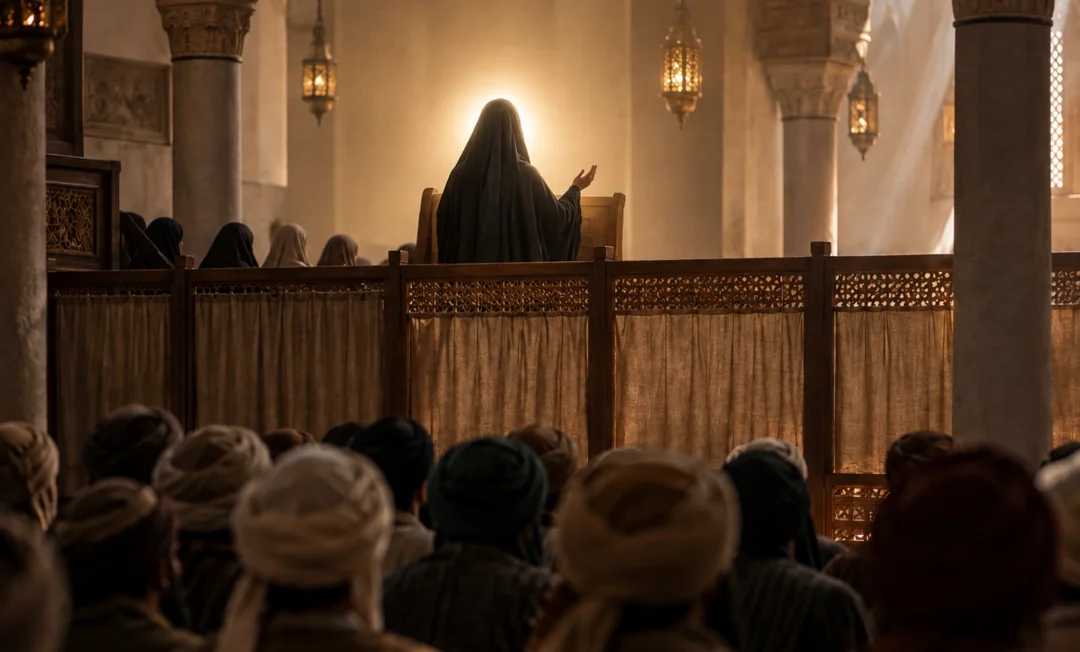
- The Sermon of Fadak, one of her most famous speeches
- Tasbih Fatimah al-Zahra, a form of remembrance taught to her by the Prophet
- Prayers attributed to Fatimah, preserved in some devotional and hadith works
- Narrations attributed to Fatimah concerning faith, ethics, worship, and social life
- Poetry attributed to Fatimah, recorded in historical and traditional sources
Her reported teachings cover matters of faith, worship, morality, family life, and social responsibility.
The Ziyarat of Fatimah
Shi’a sources also preserve a Ziyarat of Fatimah attributed to Imam Ja’far al-Sadiq.
According to this devotional text, Fatimah underwent a divine test and demonstrated patience and steadfastness. It also emphasizes her spiritual rank and the importance of loyalty to the Ahl al-Bayt.
The Ziyarat reflects the profound spiritual position that Fatimah holds within Shi’a devotional tradition.
The Enduring Status of Fatimah al-Zahra
Fatimah al-Zahra’s life combines faith, knowledge, generosity, simplicity, worship, patience, and devotion to the Prophet and his family.
Her special relationship with Prophet Muhammad, her position among the Ahl al-Bayt, her role in the continuation of his lineage, and the many virtues attributed to her have made her one of the most respected women in Islamic history.
For millions of Muslims, Fatimah remains an enduring example of faith and spiritual excellence. Her life continues to be remembered through her teachings, prayers, acts of charity, and the legacy of the family that descended from her.